

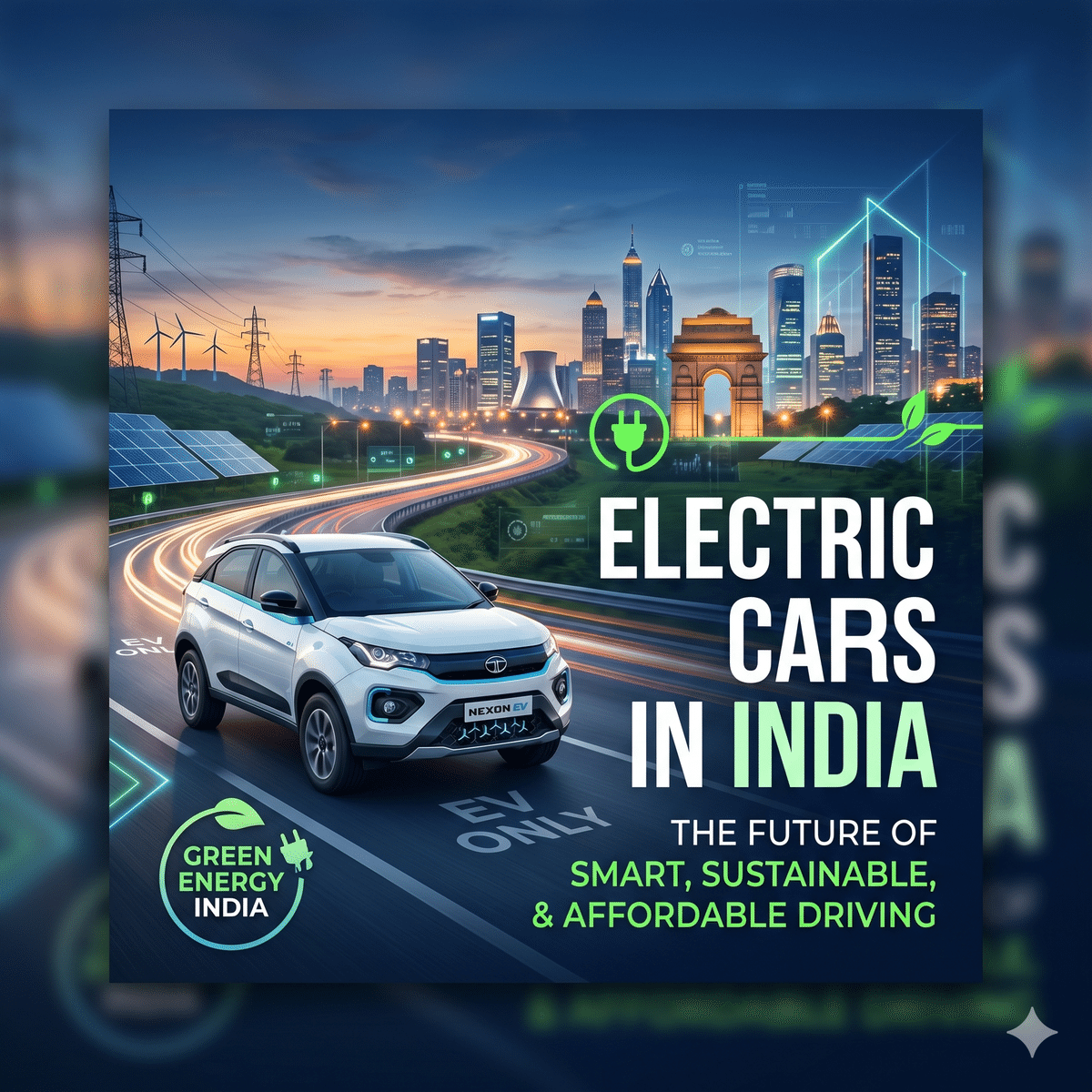
The Indian automobile industry is undergoing a remarkable transformation, and electric cars are at the centre of this revolution. With rising fuel prices, increasing environmental concerns, and rapid technological advancements, more Indians are considering electric cars as a practical alternative to traditional petrol and diesel vehicles.
Over the past few years, electric cars have evolved from being a niche product to becoming a mainstream transportation solution. Government incentives, expanding charging infrastructure, and improved battery technology have made electric cars more accessible than ever before.
Whether you are planning to buy your first vehicle or considering an upgrade, understanding electric cars can help you make an informed decision. This comprehensive guide explores everything you need to know about electric cars in India, including their benefits, costs, technology, maintenance requirements, and future prospects.
What Are Electric Cars and How Do They Work?
Electric cars are vehicles powered by electricity instead of conventional internal combustion engines. Unlike petrol or diesel vehicles, electric cars use rechargeable batteries to store energy and electric motors to drive the wheels.
The primary components of electric cars include:
Battery Pack
The battery pack serves as the energy storage system in electric cars. Modern electric cars generally use lithium-ion batteries due to their high energy density and longer lifespan.
Electric Motor
The electric motor converts electrical energy into mechanical energy, providing instant torque and smooth acceleration.
Charging System
Electric cars are equipped with charging systems that allow batteries to be recharged using home chargers, public charging stations, or fast chargers.
Power Electronics Controller
This component manages the flow of electricity between the battery and motor, ensuring optimal performance and efficiency.
Regenerative Braking System
One of the most innovative features of electric cars is regenerative braking. This technology converts kinetic energy into electrical energy during braking and stores it back in the battery.
Together, these components make electric cars highly efficient, environmentally friendly, and cost-effective for everyday driving.
Why Electric Cars Are Gaining Popularity in India
The demand for electric cars in India has increased significantly due to several factors.
Rising Fuel Costs
Petrol and diesel prices continue to fluctuate, placing financial pressure on vehicle owners. Electric cars offer a more economical alternative with substantially lower running costs.
Government Support
The Indian government actively promotes electric cars through subsidies, tax benefits, and various incentive programmes aimed at accelerating EV adoption.
Environmental Awareness
Consumers are becoming increasingly conscious of their carbon footprint. Electric cars help reduce greenhouse gas emissions and contribute to cleaner air.
Improved Technology
Modern electric cars provide better range, faster charging capabilities, and enhanced safety features compared to earlier EV models.
Expanding Charging Infrastructure
Charging networks across major Indian cities are growing rapidly, making electric cars more convenient for daily use and long-distance travel.
Benefits of Owning Electric Cars
Electric cars offer numerous advantages that appeal to both individual buyers and businesses.
Lower Running Costs
Electricity is considerably cheaper than petrol or diesel. As a result, electric cars can significantly reduce monthly transportation expenses.
Reduced Maintenance Requirements
Electric cars have fewer moving parts than traditional vehicles. There are no engine oil changes, fewer fluids, and less mechanical wear, resulting in lower maintenance costs.
Environmentally Friendly Transportation
Electric cars produce zero tailpipe emissions, helping improve urban air quality and reduce pollution.
Smooth and Quiet Driving Experience
The electric motor provides instant torque and near-silent operation, making electric cars exceptionally comfortable to drive.
Better Energy Efficiency
Electric cars convert a higher percentage of stored energy into movement compared to conventional vehicles.
Government Incentives
Buyers of electric cars may benefit from tax deductions, registration fee exemptions, and state-level incentives.
Types of Electric Cars Available Today
Not all electric cars are the same. Understanding the different categories can help buyers select the most suitable option.
Battery Electric Vehicles (BEVs)
These electric cars operate entirely on battery power and produce zero emissions.
Plug-in Hybrid Electric Vehicles (PHEVs)
PHEVs combine an electric motor with a conventional engine. They can operate on electricity alone for shorter distances.
Hybrid Electric Vehicles (HEVs)
Hybrid vehicles use both an electric motor and an internal combustion engine but do not require external charging.
Extended Range Electric Vehicles
These electric cars primarily use battery power while a small engine acts as a generator to extend driving range.
Among these categories, fully battery-powered electric cars are experiencing the fastest growth in India.
Popular Electric Cars in India
The Indian market now offers a diverse range of electric cars catering to different budgets and requirements.
Affordable Electric Cars
Entry-level electric cars are ideal for city commuters seeking economical and environmentally friendly transportation.
Mid-Range Electric Cars
These vehicles provide a balance between performance, range, features, and affordability.
Premium Electric Cars
Luxury electric cars offer advanced technology, superior performance, and extended driving range.
Electric SUVs
Electric SUVs are becoming increasingly popular among Indian families due to their spacious interiors and versatility.
Fleet and Commercial Electric Cars
Businesses are adopting electric cars to reduce operational costs and achieve sustainability goals.
As competition increases, consumers can expect more choices and better value from electric cars.
Understanding Electric Car Charging
Charging is one of the most important aspects of owning electric cars.
Home Charging
Many owners charge their electric cars overnight using dedicated home charging units.
Public Charging Stations
Public charging infrastructure is expanding across India, particularly in metropolitan areas.
Fast Charging
Fast chargers can recharge electric cars much more quickly than standard chargers, making long-distance travel more practical.
Charging Time Factors
Several factors influence charging time:
- Battery capacity
- Charger type
- Battery condition
- Ambient temperature
Smart Charging Technology
Modern electric cars often include smartphone connectivity, allowing users to monitor charging status remotely.
Charging Costs
Charging electric cars generally costs significantly less than refuelling conventional vehicles, contributing to overall savings.
Electric Cars and Battery Technology
Battery technology is the foundation of electric cars.
Lithium-Ion Batteries
Most electric cars utilise lithium-ion batteries because of their high efficiency and durability.
Battery Lifespan
Modern electric car batteries are designed to last several years and often come with extended manufacturer warranties.
Battery Recycling
As the adoption of electric cars grows, battery recycling initiatives are becoming increasingly important.
Thermal Management Systems
Advanced thermal management systems help maintain optimal battery temperatures and improve performance.
Future Battery Innovations
Researchers are developing next-generation batteries that promise:
- Faster charging
- Longer driving range
- Increased safety
- Lower costs
These advancements will make electric cars even more attractive in the coming years.
Cost of Owning Electric Cars in India
Many buyers focus on the purchase price when evaluating electric cars. However, total ownership cost provides a more accurate picture.
Initial Purchase Cost
Electric cars may have higher upfront prices due to battery costs.
Fuel Savings
Electricity costs are generally lower than petrol and diesel expenses.
Maintenance Savings
Reduced servicing requirements help lower long-term ownership costs.
Insurance Costs
Insurance premiums for electric cars vary depending on vehicle type and coverage.
Government Subsidies
Various incentives can reduce the effective purchase cost of electric cars.
Long-Term Financial Benefits
Over time, savings from lower fuel and maintenance expenses can offset the higher initial investment.
For many users, electric cars prove more economical over their lifetime compared to conventional vehicles.
Common Myths About Electric Cars
Despite growing popularity, several misconceptions about electric cars still exist.
Electric Cars Have Limited Range
Modern electric cars offer ranges suitable for daily commuting and many long-distance journeys.
Charging Takes Too Long
Fast charging technology continues to reduce charging times significantly.
Electric Cars Are Too Expensive
While purchase prices may be higher, overall ownership costs can be lower.
Batteries Need Frequent Replacement
Most batteries are designed to last many years under normal usage conditions.
Electric Cars Lack Performance
Many electric cars deliver impressive acceleration due to instant torque.
Electric Cars Are Not Suitable for India
Advances in technology and charging infrastructure have made electric cars increasingly practical across India.
Understanding the facts helps consumers make informed decisions about electric cars.
Maintenance Tips for Electric Cars
Proper maintenance helps maximise the lifespan and performance of electric cars.
Follow Manufacturer Guidelines
Always adhere to recommended service schedules.
Maintain Battery Health
Avoid excessive charging and discharging whenever possible.
Monitor Tyre Condition
Proper tyre maintenance improves efficiency and safety.
Keep Software Updated
Many electric cars receive software updates that enhance functionality and performance.
Use Approved Charging Equipment
Using certified charging equipment helps protect battery systems.
Regular Inspections
Professional inspections ensure all components remain in optimal condition.
Trusted service providers such as Apna Mechanic can help owners maintain their electric cars efficiently and professionally.
The Future of Electric Cars in India
The future of electric cars in India looks exceptionally promising.
Strong Government Vision
National and state-level initiatives continue to encourage EV adoption.
Increased Investment
Manufacturers are investing heavily in electric cars, battery production, and charging infrastructure.
Growing Consumer Acceptance
More consumers are recognising the economic and environmental benefits of electric cars.
Technological Advancements
Continuous innovation will improve range, affordability, and charging convenience.
Expansion into Smaller Cities
Electric cars are expected to become increasingly common beyond major metropolitan areas.
Sustainable Mobility Ecosystem
Electric cars will play a crucial role in creating a cleaner and more sustainable transportation system.
Industry experts predict substantial growth in electric car adoption over the next decade.
Why Electric Cars Represent the Future of Mobility
Electric cars are transforming the way people think about transportation. They offer lower running costs, reduced maintenance requirements, environmental benefits, and a superior driving experience. As technology advances and infrastructure expands, electric cars are becoming an increasingly practical choice for Indian consumers.
Whether your priority is saving money, reducing environmental impact, or embracing modern automotive technology, electric cars present a compelling solution. With strong government support and growing market availability, there has never been a better time to explore the benefits of electric cars.
As India moves towards a greener future, electric cars will undoubtedly play a vital role in shaping the next generation of mobility.
Frequently Asked Questions About Electric Cars
Are electric cars suitable for Indian roads?
Yes. Modern electric cars are designed to handle Indian driving conditions and are increasingly popular across urban and semi-urban areas.
How much does it cost to charge electric cars in India?
The cost depends on electricity tariffs and battery capacity, but charging electric cars is generally much cheaper than refuelling petrol or diesel vehicles.
How long do electric car batteries last?
Most electric car batteries are designed to last several years and often come with warranties ranging from eight years or more.
Can electric cars be charged at home?
Yes. Most owners charge their electric cars at home using dedicated charging equipment.
Are electric cars environmentally friendly?
Electric cars produce zero tailpipe emissions and contribute to cleaner air and reduced carbon emissions.
Do electric cars require less maintenance?
Yes. Electric cars have fewer moving parts and generally require less maintenance than conventional vehicles.
What is regenerative braking in electric cars?
Regenerative braking captures energy during braking and stores it back in the battery, improving efficiency.
Are electric cars good for long-distance travel?
Modern electric cars with improved battery range and growing charging infrastructure are increasingly suitable for long-distance journeys.
Is buying electric cars a good investment?
For many consumers, electric cars offer long-term savings through reduced fuel and maintenance costs while supporting sustainable transportation.
Will electric cars replace petrol and diesel vehicles?
While petrol and diesel vehicles will continue to exist for some time, electric cars are expected to become a dominant form of personal transportation in the future.
Related Car Articles

Honda Car Service Center Near Me – How to Find a Reliable Honda Service Centre
When you own a Honda car, regular servicing is essential to keep the vehicle running smoothly and safely. Many drivers often search online for “Honda car service center near me” when their car needs maintenance, repair, or a routine check-up. Finding a reliable service centre can help extend the life of your car and save […]

Tata Car Service Center Near Me – How to Find a Reliable Tata Service Centre
If you own a Tata car, regular servicing is the best way to keep it running smoothly for years. Many car owners search online for “Tata car service center near me” when their vehicle needs maintenance, repair, or inspection. Finding the right service centre ensures your car gets proper care from trained technicians using genuine […]

Volkswagen Service Center Near Me – How to Find a Trusted Volkswagen Workshop
If you own a Volkswagen, you already know that it is a car built with precision, engineering, and quality. From the smooth driving experience of the Volkswagen Polo to the premium comfort of the Volkswagen Virtus and the stylish design of the Volkswagen Taigun, every Volkswagen car is made to perform well for years. However, […]