Car Problems During Monsoon and How to Avoid Them: The Ultimate Guide for Safe Driving in Rainy Season

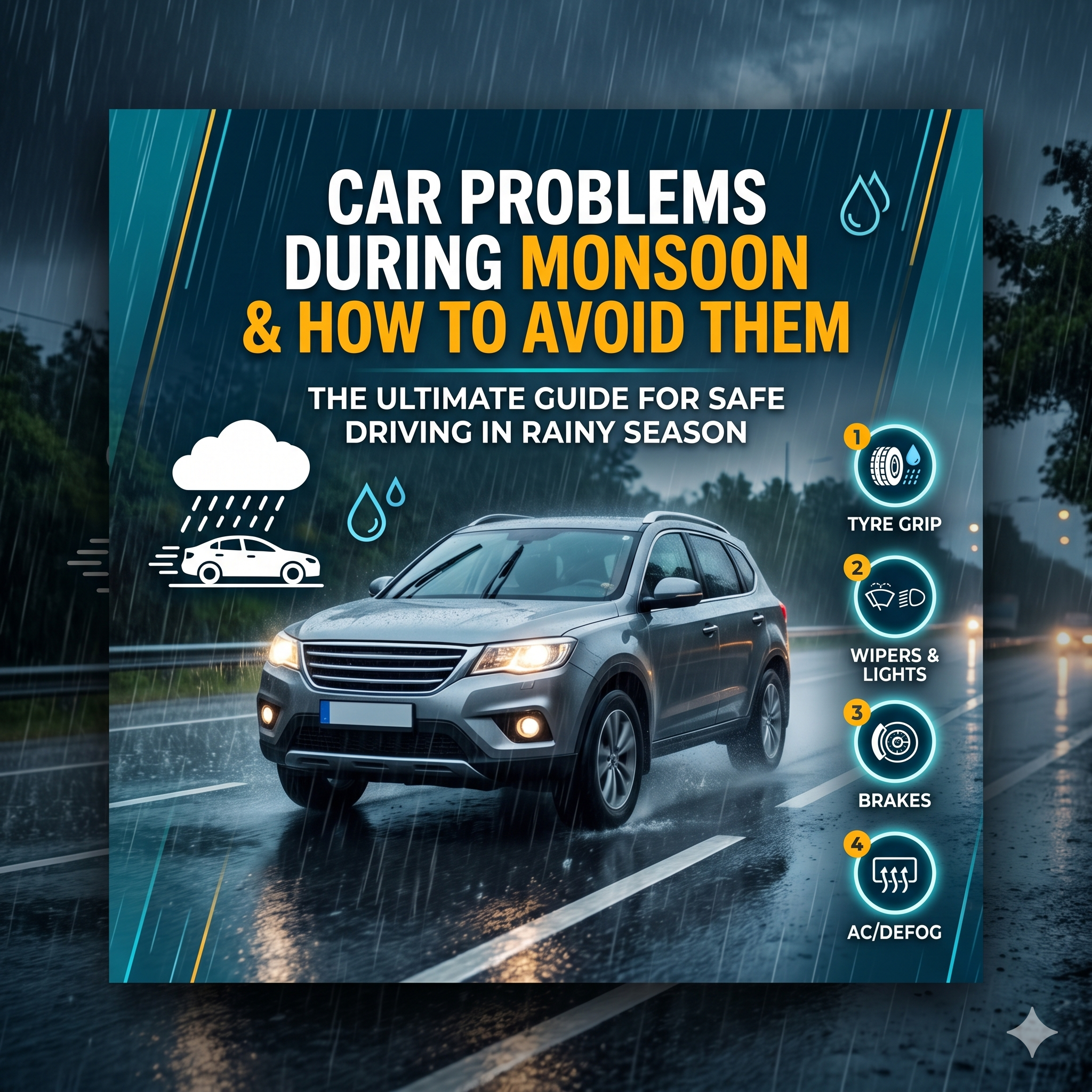
The monsoon season brings relief from scorching heat, greener landscapes, and refreshing weather. However, for car owners, it also introduces several hidden risks that can affect vehicle performance, safety, and maintenance costs. Waterlogged roads, high humidity, muddy surfaces, poor visibility, and sudden temperature changes can lead to serious car problems during monsoon if proper care is not taken.
Many drivers underestimate how quickly rainwater and moisture can damage important vehicle components. From brake failure and engine issues to battery problems and tyre skidding, monsoon conditions can reduce the lifespan of your vehicle if ignored. Understanding common car problems during monsoon and learning how to avoid them can save you from expensive repairs, unexpected breakdowns, and dangerous driving situations.
At entity[“company”,”Apna Mechanic”,”India automotive service platform”], vehicle experts recommend preventive maintenance before and during the rainy season to keep your car running smoothly. Whether you drive daily for work, travel long distances, or use your car occasionally, this complete guide will help you understand the most common monsoon car issues and practical ways to protect your vehicle.
Why Monsoon Season Is Tough on Cars
Rainwater may appear harmless, but prolonged exposure to moisture can severely affect different mechanical and electrical systems inside a car. Modern vehicles are equipped with advanced electronics, sensors, wiring systems, and braking technologies that are highly sensitive to water damage.
During heavy rainfall, vehicles face:
- Water entering engine compartments
- Slippery roads causing tyre grip issues
- Reduced brake efficiency
- Rust formation on metal parts
- Electrical short circuits
- Foggy windshields and poor visibility
- Battery performance reduction
- Mud accumulation under the car
- Suspension wear due to potholes
These conditions make regular inspection and servicing essential during the rainy season.
Brake Problems During Monsoon and How to Prevent Them
Why Brakes Become Less Effective in Rain
One of the most dangerous car problems during monsoon is reduced braking performance. When water enters the brake discs or drums, it creates a slippery layer that decreases friction between the brake pads and rotors.
This can lead to:
- Delayed stopping distance
- Brake squeaking sounds
- Brake pedal vibration
- Reduced brake response
- Increased accident risk
Driving through waterlogged roads repeatedly can also cause corrosion in brake components.
Signs Your Car Brakes Need Attention
Watch for these warning signs during monsoon:
- Soft or spongy brake pedal
- Grinding noise while braking
- Car pulling to one side
- ABS warning light
- Burning smell from brakes
Ignoring these symptoms may lead to brake failure.
How to Avoid Brake Problems During Monsoon
To maintain safe braking performance:
- Get brake pads inspected before the rainy season
- Replace worn brake pads immediately
- Avoid speeding through deep water
- Dry brakes by lightly pressing the pedal after driving through puddles
- Check brake fluid levels regularly
- Service ABS systems if warning lights appear
Professional brake inspections from trusted vehicle experts like entity[“company”,”Apna Mechanic”,”India automotive service platform”] can help identify hidden issues before they become dangerous.
Engine Problems During Monsoon and Their Solutions
How Rainwater Damages the Engine
The engine is the heart of your vehicle, and water entering the engine system can cause severe damage. One of the biggest car problems during monsoon is hydrostatic lock, commonly called hydrolocking.
Hydrolocking occurs when water enters the engine air intake system. Since water cannot compress like air, the engine may stop suddenly and internal components may get damaged.
Common Engine Issues During Rainy Season
Drivers often experience:
- Engine stalling
- Misfiring
- Difficulty starting the car
- Reduced acceleration
- Strange engine noises
- Warning lights on dashboard
These issues usually happen after driving through flooded roads.
How to Protect Your Car Engine During Monsoon
Follow these preventive measures:
- Avoid driving through deep waterlogged areas
- Maintain a safe speed during heavy rain
- Check engine air filters regularly
- Inspect engine seals and covers
- Ensure proper engine oil levels
- Get regular engine diagnostics
If your engine stalls in floodwater, never attempt to restart the vehicle immediately. Doing so may worsen the damage. Contact a professional mechanic instead.
Battery Problems During Monsoon and Battery Care Tips
Why Car Batteries Fail During Rainy Season
Moisture and humidity can reduce battery efficiency. Corrosion around battery terminals becomes more common during monsoon, leading to poor electrical connectivity.
Battery-related car problems during monsoon are especially frustrating because they can leave you stranded unexpectedly.
Signs of a Weak Battery
Look for these symptoms:
- Slow engine cranking
- Flickering headlights
- Dashboard warning lights
- Electrical accessories malfunctioning
- Difficulty starting the vehicle
Tips to Keep Your Battery Healthy During Monsoon
- Clean battery terminals regularly
- Apply anti-corrosion grease on terminals
- Ensure battery clamps are tight
- Check battery voltage periodically
- Replace old batteries before monsoon starts
- Keep battery compartment dry
A properly maintained battery reduces the chances of sudden breakdowns during rainy weather.
Tyre Problems During Monsoon and Safe Driving Tips
Why Tyres Are Critical During Rainy Season
Tyres play a major role in maintaining road grip during wet conditions. Worn-out tyres are one of the leading causes of accidents during monsoon.
Water reduces traction between tyres and road surfaces, increasing the chances of skidding and aquaplaning.
Common Tyre Problems During Monsoon
Drivers may face:
- Tyre skidding
- Reduced grip
- Uneven tyre wear
- Low tyre pressure
- Aquaplaning on highways
How to Maintain Tyres During Monsoon
To avoid tyre-related car problems during monsoon:
- Check tyre tread depth regularly
- Maintain recommended tyre pressure
- Rotate tyres periodically
- Avoid sudden braking on wet roads
- Replace damaged tyres immediately
- Use quality tyres with good wet grip performance
Experts recommend maintaining at least 2.5 mm tread depth during rainy conditions for better traction.
Electrical Problems During Monsoon and How to Stay Safe
Why Water and Electronics Do Not Mix
Modern vehicles rely heavily on electronic systems. Rainwater and humidity can affect wiring, sensors, infotainment systems, lights, and ignition components.
Electrical car problems during monsoon can range from minor inconveniences to serious safety hazards.
Common Electrical Issues During Rainy Season
These include:
- Power window malfunction
- Headlight failure
- Sensor issues
- Short circuits
- Horn malfunction
- Dashboard errors
- Central locking problems
Ways to Prevent Electrical Damage
- Keep electrical systems properly insulated
- Avoid exposing the engine bay to direct high-pressure water
- Inspect wiring regularly
- Ensure headlights and tail lamps are sealed properly
- Replace damaged fuses immediately
- Keep cabin interiors dry
If you notice flickering lights or burning smells, get the vehicle checked immediately.
Rust and Corrosion Problems During Monsoon
How Rust Develops in Cars
Continuous exposure to moisture and muddy water accelerates rust formation. Metal parts underneath the vehicle are especially vulnerable.
Rust is among the most overlooked car problems during monsoon, but it can silently weaken vehicle structure over time.
Areas Most Affected by Corrosion
- Underbody components
- Exhaust system
- Door edges
- Wheel arches
- Suspension parts
- Chassis sections
How to Protect Your Car from Rust
- Wash your car regularly during monsoon
- Remove mud deposits quickly
- Apply anti-rust coating
- Wax the car exterior
- Keep drainage holes unclogged
- Dry the car after rain exposure
Underbody anti-rust treatment is highly recommended before monsoon begins.
Visibility Problems During Monsoon and How to Improve Driving Safety
Why Visibility Becomes Dangerous in Rain
Poor visibility is one of the biggest causes of monsoon accidents. Heavy rain, foggy windshields, and dirty mirrors reduce driver awareness.
Common Visibility Issues During Rainy Weather
Drivers often struggle with:
- Foggy windows
- Ineffective wipers
- Dirty windshields
- Weak headlights
- Water streaks on glass
How to Improve Visibility During Monsoon
- Replace old wiper blades
- Use anti-fog solutions
- Keep windshields clean
- Check washer fluid levels
- Use headlights during heavy rain
- Clean side mirrors frequently
Proper visibility can significantly reduce accident risks during bad weather.
Suspension and Steering Problems During Monsoon
Why Suspension Damage Increases During Rainy Season
Potholes and uneven roads become common during monsoon. Driving through damaged roads puts additional pressure on suspension and steering components.
Common Suspension Issues During Monsoon
- Bumpy ride quality
- Steering vibration
- Uneven tyre wear
- Suspension noises
- Reduced handling stability
Preventive Measures for Suspension Care
- Avoid driving fast on pothole-filled roads
- Check wheel alignment regularly
- Inspect shock absorbers
- Maintain proper tyre pressure
- Service suspension components periodically
Ignoring suspension problems can reduce vehicle control and increase tyre wear.
AC and Cabin Problems During Monsoon
Why Car Interiors Smell Bad During Rainy Season
Humidity and trapped moisture inside the cabin often create unpleasant odours and fungal growth.
Common Cabin Issues During Monsoon
- Damp smell inside car
- Fogged windows
- Wet carpets
- Reduced AC efficiency
- Mold growth in air vents
How to Keep Your Car Cabin Fresh
- Clean cabin air filters regularly
- Use cabin disinfectants
- Keep floor mats dry
- Avoid leaving wet items inside the car
- Run AC periodically to remove moisture
A clean cabin improves driving comfort and air quality.
Fuel System Problems During Monsoon
How Rain Affects Fuel Systems
Moisture contamination inside fuel tanks can affect engine performance. Poor-quality fuel combined with humidity can damage fuel injectors and filters.
Symptoms of Fuel System Issues
- Engine hesitation
- Poor mileage
- Rough idling
- Difficulty accelerating
- Engine knocking
Fuel System Maintenance Tips
- Refuel from trusted fuel stations
- Avoid driving with very low fuel levels
- Replace fuel filters on time
- Use fuel additives if recommended
- Keep fuel tank caps tightly sealed
Regular fuel system maintenance improves engine reliability during rainy weather.
Essential Monsoon Car Care Checklist
Exterior Maintenance Checklist
Before and during monsoon:
- Wash vehicle weekly
- Apply protective wax coating
- Check all lights
- Inspect tyres
- Clean windshield properly
- Check wipers regularly
Interior Maintenance Checklist
- Dry cabin mats daily
- Use moisture absorbers
- Vacuum interiors frequently
- Keep windows slightly open when parked in dry areas
- Maintain AC cleanliness
Mechanical Maintenance Checklist
- Check engine oil
- Inspect coolant levels
- Test battery condition
- Service brakes
- Check suspension
- Inspect air filters
Routine maintenance reduces long-term repair expenses.
Safe Driving Tips During Monsoon
Drive Slowly on Wet Roads
Overspeeding on slippery roads increases accident risk. Maintain a safe speed and avoid sudden acceleration.
Maintain Safe Distance
Braking distances increase during rain. Always maintain extra space between vehicles.
Avoid Waterlogged Roads
Deep water can damage the engine, exhaust, and electrical systems.
Use Headlights Properly
Turn on headlights during heavy rainfall to improve visibility.
Avoid Sudden Braking
Brake gently to maintain tyre grip and vehicle stability.
Stay Alert for Potholes
Rainwater often hides dangerous potholes that can damage tyres and suspension.
Keep Emergency Tools Inside the Car
Always carry:
- Torch
- Tow rope
- Tyre inflator
- Jumper cables
- First aid kit
- Emergency contact numbers
Prepared drivers handle monsoon emergencies more effectively.
Importance of Regular Car Servicing During Monsoon
Many vehicle owners delay servicing until problems become serious. Preventive maintenance is far more affordable than major repairs.
Regular servicing helps:
- Detect hidden damage early
- Improve fuel efficiency
- Increase vehicle lifespan
- Enhance driving safety
- Reduce breakdown chances
- Maintain resale value
Professional inspections from experienced service providers like entity[“company”,”Apna Mechanic”,”India automotive service platform”] ensure your car stays ready for challenging monsoon conditions.
Common Mistakes Drivers Make During Monsoon
Ignoring Small Problems
Minor noises, warning lights, or reduced performance should never be ignored.
Driving Through Flooded Roads
Many drivers underestimate water depth, leading to engine damage.
Delaying Tyre Replacement
Worn tyres become extremely dangerous on wet roads.
Using Old Wiper Blades
Poor visibility can increase accident risk.
Skipping Regular Car Washes
Mud and moisture accelerate corrosion.
Avoiding these mistakes can protect your car throughout the rainy season.
Best Time to Service Your Car Before Monsoon
Ideally, vehicles should be inspected before the rainy season begins. Pre-monsoon servicing allows mechanics to identify weak components before heavy rain exposure.
Pre-monsoon inspections usually include:
- Brake testing
- Tyre inspection
- Battery testing
- Wiper replacement
- Fluid top-ups
- Electrical system diagnostics
- Underbody inspection
Early maintenance reduces emergency repair costs later.
Long-Term Effects of Ignoring Monsoon Car Problems
Neglecting vehicle care during monsoon can create serious long-term damage.
Potential consequences include:
- Permanent engine damage
- Expensive electrical repairs
- Severe rust formation
- Suspension failure
- Reduced fuel efficiency
- Poor resale value
- Frequent breakdowns
Proper care during one monsoon season can significantly extend vehicle lifespan.
How Professional Car Care Services Help During Monsoon
Professional car care services use specialised equipment and experienced technicians to inspect hidden vehicle issues.
Benefits include:
- Accurate diagnostics
- Faster repairs
- Genuine replacement parts
- Preventive maintenance
- Better vehicle performance
- Improved safety
Choosing reliable automotive experts such as entity[“company”,”Apna Mechanic”,”India automotive service platform”] ensures peace of mind during rainy weather.
Frequently Asked Questions About Car Problems During Monsoon
Why does my car brake performance reduce during rain?
Brake performance decreases because water creates a slippery layer between brake components, reducing friction. Wet brakes may require additional stopping distance.
Is it safe to drive through flooded roads?
Driving through deep waterlogged roads is risky because water can enter the engine, exhaust, and electrical systems, causing major damage.
How often should I wash my car during monsoon?
It is recommended to wash your car at least once a week during monsoon to remove mud, dirt, and moisture deposits.
Why do car windows become foggy during rain?
Fog forms due to temperature differences between the cabin interior and outside environment. Using AC and anti-fog solutions can help.
Can rain damage a car battery?
Yes, moisture and corrosion can affect battery terminals and reduce battery performance.
Which tyres are best for monsoon driving?
Tyres with deeper tread patterns and strong wet-road grip provide better traction during rainy conditions.
What should I do if my car stalls in water?
Do not restart the engine immediately. Contact a professional mechanic to inspect the vehicle.
How can I prevent rust during monsoon?
Regular washing, waxing, and anti-rust treatment help protect the vehicle from corrosion.
Are potholes harmful to suspension systems?
Yes, repeated impact from potholes can damage suspension parts, wheel alignment, and tyres.
Why is pre-monsoon servicing important?
Pre-monsoon servicing helps identify weak components early and prepares the vehicle for challenging weather conditions.
Final Thoughts
Monsoon season can be enjoyable, but it also creates challenging conditions for vehicles. Understanding common car problems during monsoon and taking preventive action can protect your car from expensive repairs, breakdowns, and safety risks.
From brake care and tyre maintenance to battery inspection and rust prevention, every small maintenance step contributes to better vehicle reliability. Ignoring warning signs may lead to severe mechanical damage and dangerous driving situations.
Vehicle owners who prioritise regular servicing, careful driving habits, and timely inspections enjoy safer journeys throughout the rainy season. Trusted automotive service providers like entity[“company”,”Apna Mechanic”,”India automotive service platform”] can help keep your vehicle in excellent condition with professional maintenance and expert guidance.
By following the tips shared in this guide, you can confidently drive through monsoon weather while protecting your vehicle’s performance, safety, and long-term value.