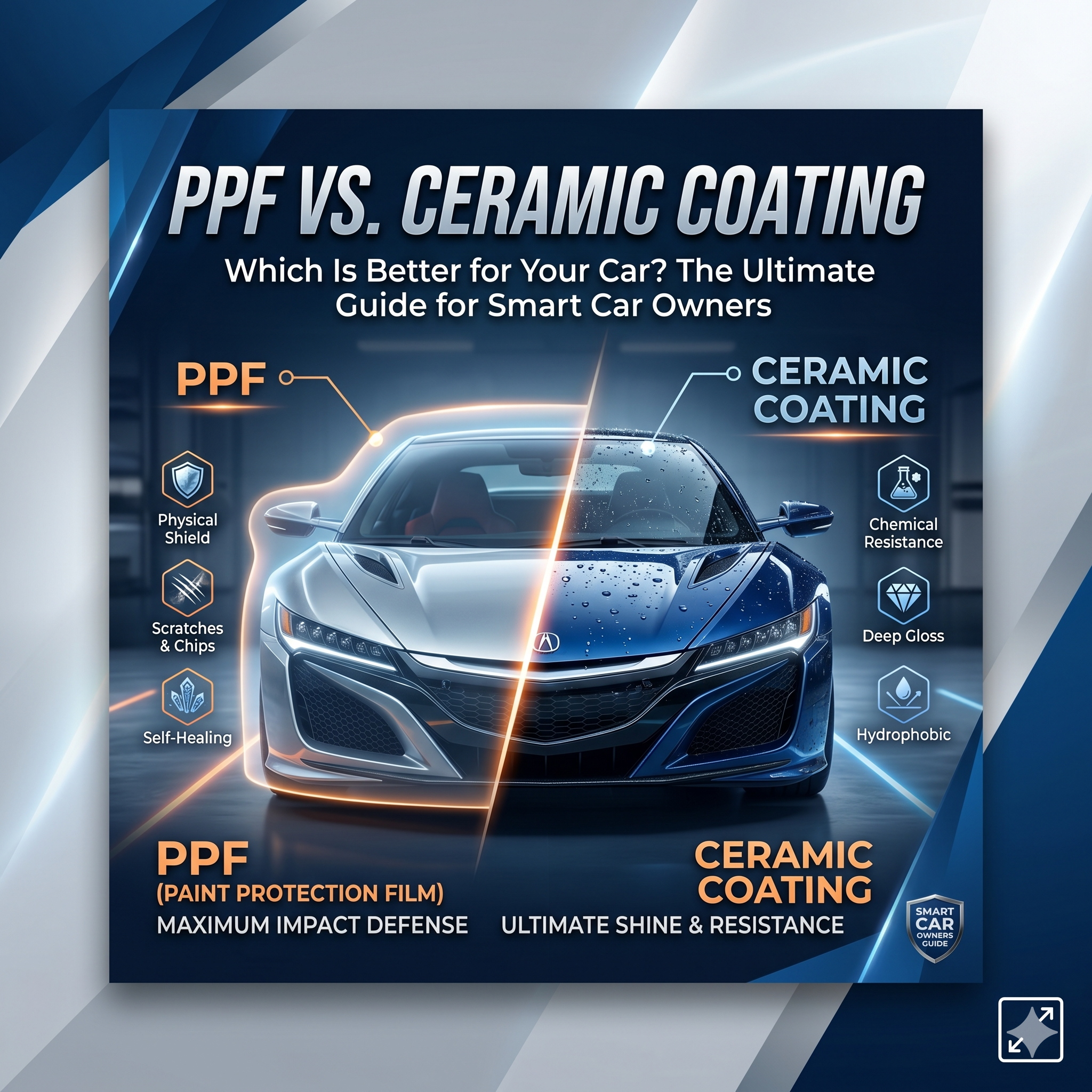
PPF vs Ceramic Coating – Which Is Better for Your Car? The Ultimate Guide for Smart Car Owners

Cars are no longer just a way to travel from one place to another. For many people, a car is an investment, a status symbol, and something they genuinely care about. Whether you own a hatchback, sedan, SUV, luxury vehicle, or sports car, keeping the paintwork in excellent condition has become more important than ever.
One of the biggest questions car owners ask today is: PPF vs Ceramic Coating – which is better for your car?
If you have been researching paint protection solutions, you have probably seen endless discussions around PPF vs Ceramic Coating. Some people claim Paint Protection Film is the best option, while others insist ceramic coating offers better value for money. The reality is that both solutions have their own advantages, limitations, and ideal use cases.
In this detailed guide by Apna Mechanic, we will break down everything you need to know about PPF vs Ceramic Coating in simple language. You will learn how both technologies work, their benefits, costs, durability, maintenance requirements, and which option suits your vehicle best.
By the end of this guide, you will have a clear understanding of PPF vs Ceramic Coating and be able to make the right decision for your car.
Understanding Car Paint Protection
Before comparing PPF vs Ceramic Coating, it is important to understand why paint protection matters in the first place.
Modern car paint is constantly exposed to:
- Harsh sunlight
- UV rays
- Bird droppings
- Acid rain
- Mud and dust
- Road debris
- Stone chips
- Scratches
- Tree sap
- Water spots
- Pollution
- Chemical contaminants
Without proper protection, your vehicle’s paint can fade, oxidise, and lose its shine over time. Repairing damaged paintwork is expensive, especially for premium cars.
This is where paint protection solutions like PPF and ceramic coating become valuable.
When discussing PPF vs Ceramic Coating, the primary goal of both is to preserve your car’s appearance and maintain resale value.
What Is PPF?
Paint Protection Film, commonly known as PPF, is a transparent thermoplastic polyurethane film applied to a car’s painted surfaces.
The purpose of PPF is to protect the vehicle from physical damage such as:
- Stone chips
- Minor scratches
- Swirl marks
- Road debris
- Insect stains
- Paint damage
PPF acts like a shield on top of your car’s paint.
How PPF Works
PPF is professionally installed over the paint surface using specialised adhesive technology. Once applied, the film becomes nearly invisible while providing a strong protective layer.
One major highlight in the PPF vs Ceramic Coating debate is that PPF offers physical impact resistance.
This means small stones, gravel, and road debris hit the film instead of your paint.
Types of PPF Available
There are different types of PPF available in the market:
Gloss PPF
Enhances shine and gives the car a glossy showroom finish.
Matte PPF
Provides a stealth matte finish and changes the overall look of the vehicle.
Self-Healing PPF
Uses heat technology to repair light scratches automatically.
Coloured PPF
Adds both protection and colour transformation.
When comparing PPF vs Ceramic Coating, PPF is considered the more advanced physical protection solution.
What Is Ceramic Coating?
Ceramic coating is a liquid polymer applied to the exterior surface of a vehicle.
Once cured, it chemically bonds with the factory paint and creates a hydrophobic protective layer.
Unlike wax or polish, ceramic coating lasts much longer and provides superior gloss and water repellence.
How Ceramic Coating Works
Ceramic coating creates a semi-permanent layer that repels:
- Water
- Dirt
- Dust
- Chemical contaminants
- UV rays
One of the biggest advantages in the PPF vs Ceramic Coating comparison is that ceramic coating makes cleaning your vehicle significantly easier.
Water beads off the surface instead of sticking to the paint.
Types of Ceramic Coating
Different ceramic coating options include:
Consumer Grade Ceramic Coating
Basic protection suitable for regular car owners.
Professional Grade Ceramic Coating
Applied by experts for enhanced durability and gloss.
Graphene Coating
An advanced version of ceramic coating with improved heat resistance and slickness.
When evaluating PPF vs Ceramic Coating, ceramic coating is often chosen for shine enhancement and ease of maintenance.
PPF vs Ceramic Coating – Key Differences
Now let us directly compare PPF vs Ceramic Coating across multiple factors.
Protection Against Scratches
In the PPF vs Ceramic Coating debate, PPF clearly wins when it comes to scratch protection.
PPF can absorb minor impacts and protect against:
- Stone chips
- Minor abrasions
- Road debris
- Door scratches
Ceramic coating does not provide strong scratch resistance. It only helps reduce swirl marks during washing.
Gloss and Appearance
Ceramic coating generally provides a deeper glossy finish.
Many car enthusiasts prefer ceramic coating because it enhances paint clarity and colour depth.
However, modern high-quality PPF also delivers excellent gloss.
In terms of appearance, PPF vs Ceramic Coating becomes more subjective depending on personal preference.
Hydrophobic Properties
Ceramic coating is famous for water beading.
It prevents dirt and water from sticking to the surface, making washing easier.
Although some premium PPF products also include hydrophobic properties, ceramic coating still performs slightly better in this area.
Self-Healing Technology
A major advantage in the PPF vs Ceramic Coating comparison is self-healing capability.
Premium PPF can repair light scratches when exposed to heat or sunlight.
Ceramic coating does not have true self-healing technology.
UV Protection
Both PPF and ceramic coating provide UV protection.
This helps prevent paint fading and oxidation.
When discussing PPF vs Ceramic Coating, both are effective for sun protection.
Lifespan
PPF generally lasts between 5 to 10 years depending on quality and maintenance.
Ceramic coating usually lasts between 2 to 5 years.
This makes PPF a longer-lasting solution in many cases.
Cost Comparison
Cost is one of the most important factors when choosing between PPF vs Ceramic Coating.
PPF is significantly more expensive.
Approximate pricing:
- Ceramic coating: Moderate cost
- Full body PPF: Premium cost
PPF installation requires skilled professionals and more material.
Ceramic coating is more affordable for most car owners.
Maintenance Requirements
Both options require maintenance.
However, ceramic coating makes cleaning easier due to its hydrophobic nature.
PPF also requires proper washing techniques to avoid damaging the film.
Installation Process
PPF installation is highly technical.
It involves:
- Surface preparation
- Precision cutting
- Bubble removal
- Edge wrapping
Ceramic coating application is comparatively simpler.
In the PPF vs Ceramic Coating discussion, installation complexity is much higher for PPF.
Benefits of PPF for Your Car
Many premium car owners prefer PPF because of its strong protective qualities.
Superior Paint Protection
PPF provides excellent protection against daily driving hazards.
If you frequently drive on highways or rough roads, PPF can protect your paint from chips and scratches.
Self-Healing Surface
Minor scratches disappear with heat exposure.
This keeps your vehicle looking newer for longer.
Maintains Resale Value
A car with protected paint usually has better resale value.
Buyers prefer vehicles with minimal paint damage.
Long-Term Durability
High-quality PPF can last several years with proper maintenance.
Ideal for Luxury Cars
Luxury and sports car owners often choose PPF because repainting expensive vehicles can cost a fortune.
In the PPF vs Ceramic Coating comparison, PPF is generally preferred for high-end vehicles.
Benefits of Ceramic Coating for Your Car
Ceramic coating also offers several impressive benefits.
Incredible Gloss Finish
Ceramic coating enhances paint depth and shine.
Many car enthusiasts love the wet-look finish.
Easy Cleaning
Dirt and water slide off more easily.
This reduces cleaning effort and washing frequency.
Chemical Resistance
Ceramic coating helps protect against:
- Bird droppings
- Tree sap
- Chemical stains
- Pollution
UV Protection
The coating protects the paint from harmful sun exposure.
Affordable Protection Option
Compared to full body PPF, ceramic coating is much more budget-friendly.
For many owners researching PPF vs Ceramic Coating, budget plays a huge role in decision-making.
PPF vs Ceramic Coating – Which Is Better for Indian Roads?
Indian road conditions are often challenging.
Vehicles face:
- Heavy traffic
- Dust
- Extreme heat
- Gravel roads
- Construction debris
- Monsoon mud
This makes paint protection extremely important.
Why PPF Works Well in India
PPF is excellent for Indian highways where stone chips are common.
It also protects against scratches caused by:
- Narrow parking spaces
- Bike handle contact
- Road debris
Why Ceramic Coating Works Well in India
Ceramic coating performs well because it reduces dust accumulation and simplifies cleaning.
It is especially useful during monsoon season.
When analysing PPF vs Ceramic Coating for Indian conditions, both solutions have clear benefits.
Who Should Choose PPF?
PPF is ideal for:
- Luxury car owners
- Sports car enthusiasts
- Highway drivers
- People keeping cars long term
- Owners wanting maximum paint protection
Best Vehicles for PPF
PPF works brilliantly on:
- SUVs
- Sedans
- Premium hatchbacks
- Luxury cars
- Electric vehicles
In the PPF vs Ceramic Coating comparison, PPF is the best option for maximum physical protection.
Who Should Choose Ceramic Coating?
Ceramic coating is suitable for:
- Daily drivers
- Budget-conscious owners
- People wanting high gloss
- Owners focused on easy maintenance
Best Vehicles for Ceramic Coating
Ceramic coating works well for:
- Family cars
- Office commute vehicles
- New cars
- Mid-range cars
When discussing PPF vs Ceramic Coating, ceramic coating is usually the better value option for average users.
Can You Combine PPF and Ceramic Coating?
Yes, absolutely.
Many professional detailing studios recommend combining both.
How Combination Protection Works
The most common approach is:
- PPF on high-impact areas
- Ceramic coating over the entire vehicle
High-impact zones include:
- Front bumper
- Bonnet
- Side mirrors
- Door edges
- Headlights
This setup offers:
- Impact resistance from PPF
- Gloss and hydrophobic protection from ceramic coating
In the PPF vs Ceramic Coating debate, combining both is considered the ultimate solution.
Common Myths About PPF vs Ceramic Coating
There are many misconceptions about paint protection.
Myth 1 – Ceramic Coating Prevents Scratches
Ceramic coating does not fully prevent scratches.
It only reduces minor swirl marks.
Myth 2 – PPF Looks Bad
Modern PPF is nearly invisible when professionally installed.
Myth 3 – Ceramic Coating Is Permanent
Ceramic coating gradually wears down over time.
Myth 4 – PPF Never Needs Maintenance
PPF still requires proper care and cleaning.
Myth 5 – Only Luxury Cars Need Paint Protection
Every vehicle benefits from protection.
Even budget cars maintain better resale value with preserved paint.
How to Maintain PPF and Ceramic Coating
Maintenance is extremely important.
Maintenance Tips for PPF
Use pH Neutral Shampoo
Avoid harsh chemicals.
Wash Regularly
Remove dirt before it damages the film.
Avoid Abrasive Cloths
Use microfiber towels.
Do Not Delay Cleaning Bird Droppings
Acidic contaminants can damage surfaces.
Maintenance Tips for Ceramic Coating
Avoid Automatic Car Washes
Machine brushes can create swirl marks.
Use Two-Bucket Washing Method
This reduces scratches.
Apply Maintenance Sprays
Boost hydrophobic performance.
Dry Properly
Prevent water spotting.
Whether you choose PPF vs Ceramic Coating, proper maintenance significantly increases lifespan.
PPF vs Ceramic Coating – Cost Breakdown in India
Pricing varies depending on:
- Vehicle size
- Brand quality
- Installer expertise
- City location
- Coverage area
Ceramic Coating Cost
Approximate range:
- Small cars: Lower range
- SUVs and luxury cars: Higher range
PPF Cost
Approximate range:
- Partial PPF: Moderate investment
- Full body PPF: Premium investment
Is PPF Worth the Higher Price?
For luxury cars and long-term ownership, many experts believe yes.
For budget-conscious users, ceramic coating may offer better overall value.
The answer to PPF vs Ceramic Coating depends heavily on your priorities.
Signs of a Poor Installation
No matter which option you choose, installation quality matters.
Poor PPF Installation Signs
- Visible bubbles
- Peeling edges
- Dust trapped underneath
- Uneven finish
Poor Ceramic Coating Installation Signs
- High spots
- Patchy gloss
- Uneven curing
- Water spots appearing quickly
Always choose experienced professionals for both PPF and ceramic coating.
Questions to Ask Before Getting Paint Protection
Before deciding on PPF vs Ceramic Coating, ask these important questions.
What Is My Budget?
Your budget will narrow down your options.
How Long Will I Keep the Car?
Long-term owners often benefit more from PPF.
Do I Drive Mostly in Cities or on Highways?
Highway driving increases stone chip risk.
Do I Prioritise Protection or Shine?
PPF focuses more on protection.
Ceramic coating focuses more on gloss and maintenance ease.
Is My Car Luxury or Daily Use?
Premium vehicles usually justify higher investment.
Environmental Benefits of Paint Protection
Many people overlook the environmental aspect.
Reduced Need for Repainting
Paint protection reduces repaint frequency.
This lowers chemical waste and paint usage.
Longer Vehicle Appearance Lifespan
Cars maintain their appearance for longer periods.
Reduced Water Usage
Ceramic-coated vehicles require less aggressive washing.
In the broader PPF vs Ceramic Coating discussion, both solutions contribute to sustainable vehicle care.
Future Trends in Paint Protection Technology
The automotive detailing industry continues evolving rapidly.
Advanced Self-Healing Films
Modern PPF technology is becoming smarter and more durable.
Graphene Coatings
Graphene-based coatings are gaining popularity.
Hybrid Protection Systems
More owners are combining PPF with ceramic coating.
Enhanced UV Resistance
Future coatings are expected to provide even stronger UV defence.
The future of PPF vs Ceramic Coating is likely to involve hybrid technologies.
Expert Recommendation from Apna Mechanic
At Apna Mechanic, we believe there is no one-size-fits-all answer to PPF vs Ceramic Coating.
The right solution depends on:
- Your driving habits
- Vehicle type
- Budget
- Maintenance expectations
- Long-term ownership plans
Choose PPF If:
- You want maximum paint protection
- You own a premium vehicle
- You drive extensively on highways
- You plan to keep the car for many years
Choose Ceramic Coating If:
- You want a glossy finish
- You want easier maintenance
- You are working with a moderate budget
- You mainly drive in city conditions
Choose Both If:
- You want complete protection
- You own a luxury or performance vehicle
- You want the best possible appearance and durability
Final Verdict – PPF vs Ceramic Coating
So, PPF vs Ceramic Coating – which is better for your car?
The answer depends entirely on what you expect from paint protection.
If your priority is maximum defence against scratches, chips, and physical damage, PPF is the superior option.
If your focus is shine, water repellence, easier cleaning, and affordability, ceramic coating is an excellent choice.
For car owners who want the best of both worlds, combining PPF and ceramic coating delivers outstanding results.
No matter which option you choose, protecting your vehicle’s paint is a smart investment.
A well-maintained car not only looks stunning but also retains higher resale value and remains enjoyable to drive for years.
At Apna Mechanic, we always recommend choosing high-quality products and experienced installers. Proper application and maintenance make a massive difference in long-term performance.
When comparing PPF vs Ceramic Coating, the smartest decision is the one that matches your lifestyle, budget, and driving needs.
Frequently Asked Questions
Is PPF better than ceramic coating?
PPF is better for physical protection against scratches and stone chips, while ceramic coating is better for gloss and easy maintenance.
Can ceramic coating remove scratches?
No, ceramic coating cannot remove scratches. It only helps reduce minor swirl marks.
How long does PPF last?
High-quality PPF can last between 5 and 10 years depending on maintenance and environmental conditions.
How long does ceramic coating last?
Professional ceramic coating generally lasts between 2 and 5 years.
Is PPF worth it for normal cars?
Yes, PPF can help preserve paint quality and resale value, especially if you frequently drive on highways.
Can I apply ceramic coating over PPF?
Yes, many car owners apply ceramic coating over PPF for enhanced gloss and hydrophobic protection.
Which is more expensive – PPF or ceramic coating?
PPF is significantly more expensive due to material cost and complex installation.
Does PPF turn yellow?
Low-quality PPF may turn yellow over time, but premium branded films are designed to resist yellowing.
Which is best for Indian weather?
Both PPF and ceramic coating work well in Indian weather. PPF offers stronger physical protection, while ceramic coating helps with dust and water repellence.
Should I choose PPF or ceramic coating for a new car?
For new cars, both options are excellent. Your choice should depend on your budget, driving habits, and desired level of protection.
Conclusion
The debate around PPF vs Ceramic Coating will continue because both technologies offer genuine advantages.
PPF delivers unmatched protection against physical damage, while ceramic coating provides outstanding shine, easier maintenance, and strong chemical resistance.
Instead of asking which option is universally better, the smarter question is:
Which option is better for your specific car and lifestyle?
By understanding the real differences between PPF vs Ceramic Coating, you can confidently invest in the right protection solution and keep your vehicle looking stunning for years.
Whether you own a compact hatchback, luxury sedan, family SUV, or electric vehicle, proper paint protection is one of the smartest automotive investments you can make today.
Apna Mechanic recommends consulting trained detailing professionals before making a final decision. A proper inspection, quality products, and expert installation are the key factors that determine long-term satisfaction.
Choose wisely, maintain your vehicle properly, and enjoy a cleaner, shinier, and better-protected car every single day.